Leave Your Message
Electric vehicles are moving from early adoption into everyday use, but charging hardware remains confusing. The International Energy Agency’s Global EV Outlook 2024 reports nearly 14 million electric car sales worldwide in 2023, about 18% of all car sales. More vehicles mean more charging connections to understand. Small details matter.
An Ev Car Adapter can help connect compatible charging equipment, but it is not a universal fix. The right choice depends on your car’s inlet, the charger’s connector, and whether you need AC or DC charging. Voltage, current limits, and charging speed also matter. A plug that looks right may still be unsuitable. Check your owner’s manual and the charger specifications before buying, and use products with clear manufacturer guidance.
This guide explains how to compare adapter types, verify vehicle and charger compatibility, and assess build quality for daily use. It also highlights practical details, such as cable length, storage, and exposure to rain or road grit. These can affect convenience, though they should never outweigh electrical ratings and safety instructions. We should be honest: product descriptions do not always make compatibility easy to confirm. When details are unclear, ask the vehicle or charger manufacturer rather than guessing. The goal is a reliable match, not the cheapest connector on the shelf.
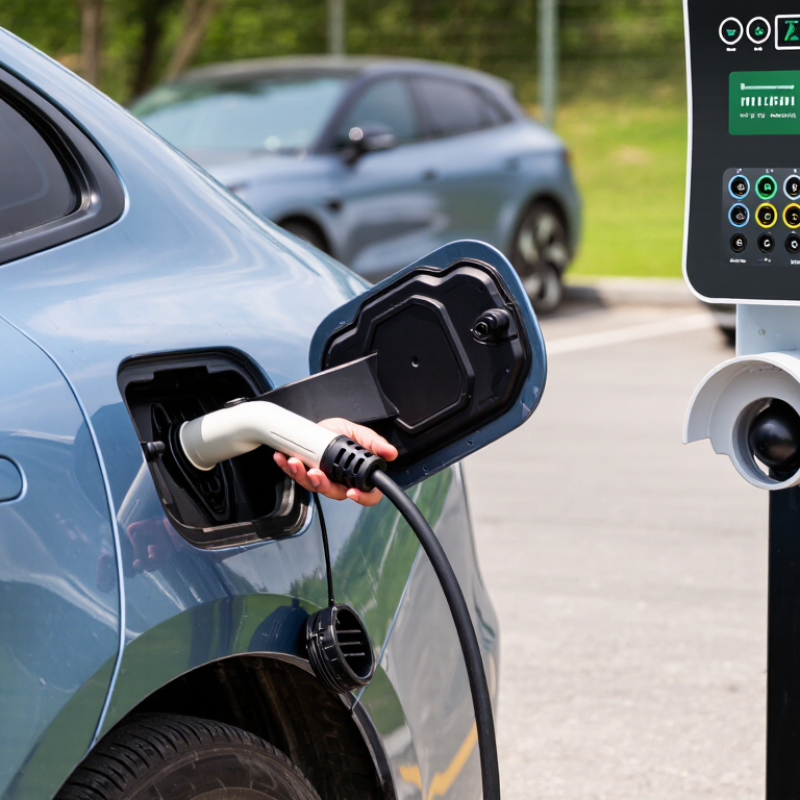
How to Choose the Right EV Car Adapter for Your Car?
Understand the Different Types of EV Adapters
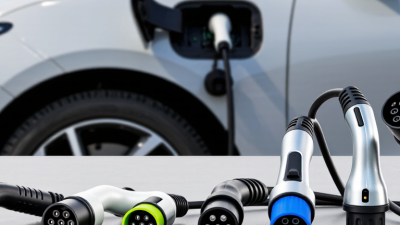
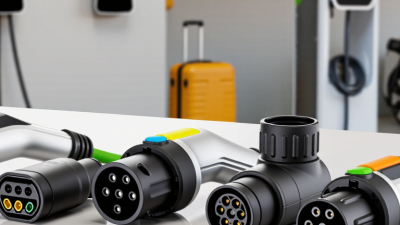
EV adapters are not one-size-fits-all. AC adapters connect your car to alternating-current charging, often at home or slower public stations. DC fast-charging adapters are for compatible vehicles and high-power chargers. Some cars also support vehicle-to-load adapters, which can power small devices from the car’s battery. Not interchangeable.
Before buying, compare the connector at your car’s inlet with the charger’s plug. Then check the adapter’s voltage, current rating, and charging protocol against your vehicle manual. A connector that physically fits may still fail to communicate safely. The International Energy Agency’s Global EV Outlook 2024 reports that public charging points worldwide grew by about 40% in 2023, surpassing four million. More stations make charging easier, but connector compatibility still matters. I still double-check the manual; product labels can be confusing.
Tips: Photograph your car’s charging inlet and the station’s connector before shopping. Confirm the adapter is rated for your exact use, especially for DC charging. Avoid relying on appearance alone. Check twice.
| Adapter Type | Typical Use | Compatibility to Check | Important Notes |
|---|---|---|---|
| AC Type 1 (SAE J1772) to Type 2 | Connecting an AC charging cable or charging station with a Type 2 connector to a vehicle with a Type 1 inlet, or the reverse where a suitable adapter is available. | Confirm which connector is on the vehicle and which is on the charging cable. Check that the adapter is specifically rated for AC charging and for the required current. | Type 1 is commonly used on AC-charging vehicles in North America and Japan; Type 2 is widely used in Europe. This is an AC connection and does not enable DC fast charging. |
| CCS1 to CCS2 DC adapter | Connecting a vehicle with a CCS inlet to a DC fast charger using the other CCS connector format. | Verify that the vehicle manufacturer permits the adapter, that the vehicle and charger support the relevant DC charging protocol, and that the adapter is approved for both. | CCS1 combines a Type 1 AC connector arrangement with two DC contacts; CCS2 combines a Type 2 arrangement with two DC contacts. A physical fit alone does not guarantee charging compatibility. |
| CHAdeMO to CCS DC adapter | Attempting to connect a vehicle with a CHAdeMO inlet to a CCS DC fast charger, or vice versa. | Check vehicle-specific approval, charger compatibility, communication protocol support, and any required activation or charging-network authorization. | CHAdeMO and CCS use different connector and communication systems. Do not assume a generic passive adapter will work; use only a solution explicitly supported for the vehicle and charging equipment. |
| NACS (SAE J3400) to CCS1 DC adapter | Connecting a compatible vehicle to a DC fast charger fitted with the other North American connector format. | Confirm the vehicle supports the adapter and charger network, and check whether software updates, account access, or network authorization are required. | NACS/J3400 uses one inlet format for AC and DC charging. Charging access and maximum power still depend on the vehicle, charger, adapter rating, and network conditions. |
| NACS (SAE J3400) to Type 1 (SAE J1772) AC adapter | Using an AC charging station or cable with a Type 1 connector with a vehicle that has a NACS/J3400 inlet, or the reverse with a compatible product. | Check the connector direction, AC current rating, vehicle inlet, and whether the adapter is approved for the specific charging setup. | This adapter is for AC charging only. It does not convert an AC connection into DC fast charging. |
| Portable EVSE supply adapter | Connecting a portable charging unit to a compatible household or industrial power outlet while traveling. | Match the outlet type, voltage, phase, grounding, and current limit to the portable EVSE and local electrical standards. | This adapts the power supply connection, not the vehicle’s charging protocol. Use properly rated equipment and avoid improvised plugs or ungrounded outlets. |
| Before purchasing any adapter | Checking whether an adapter is suitable for a particular vehicle and charging location. | Identify the vehicle inlet, charger connector, AC or DC charging type, regional standard, power rating, and manufacturer approval. | Adapters do not increase the vehicle’s maximum charging rate. Never force a connector, use damaged equipment, or use an adapter that lacks clear safety and compatibility specifications. |